Technology
1. Feedstock inputs

Inputs include:
- Municipal solidwaste
- Biomass
- Sewagesludge
- Manufacturingwaste
- Non-recyclable plastics
- Hospitalwaste
- Agriculturalwaste
- Any other organic waste material*
*No anorganic waste material like metal, glass, stones, etc.
2. Feedstock pre-conditioning

- Untreated feedstock is processed to remove the recyclables
- Then dried to a moisture content of 20% or lower
3. Feedstock storage

- Pre-conditioned feedstock travels into a storage vessel to ensure a constant supply of input material
- From the storage to the reformer vessel, oxygen is removed, allowing conversion without combustion
- No production of toxic oxidized pollutants (e.g. dioxins and furans) in an oxygen-starved environment
4. Reformer process

The gas produced in the thermolyser then travels to the separate reforming vessel, where it is transformed into high quality SYN-gas.
2-stage thermolysis process:
- Feedstock, heated > 400 °C, is converted directly into gaseous form, due to the lack of oxygen
- Unlike other waste-to-energy technologies Synthec Fuels uses heat transfer to convert the feedstock
5. Products

- SYN-gas (with twice the efficiency rate of standard technologies)
- SAF
- Hydrogen
- E-Fuels
- Methanol
- Ammonia
6. By-products

All by-products created during energy production can be recycled/reused, including:
- BioChar for agricultural & filtration applications
- Clean water
- Ash
- CO2
- Heat:
for conversion of further energy
for producing hot water
for cooling
7. Option: Electricity production

- SYN-gas can also directly fuel combustion engines to produce electricity, unlike similar technologies that use lower-efficiency steam turbines
- Initial start-up of the power plant requires an external fuel source, after which it is a fully self-sustaining system, powered by feedstock
THE SYNTHEC FUELS PLANT VIDEO
Feedstocks
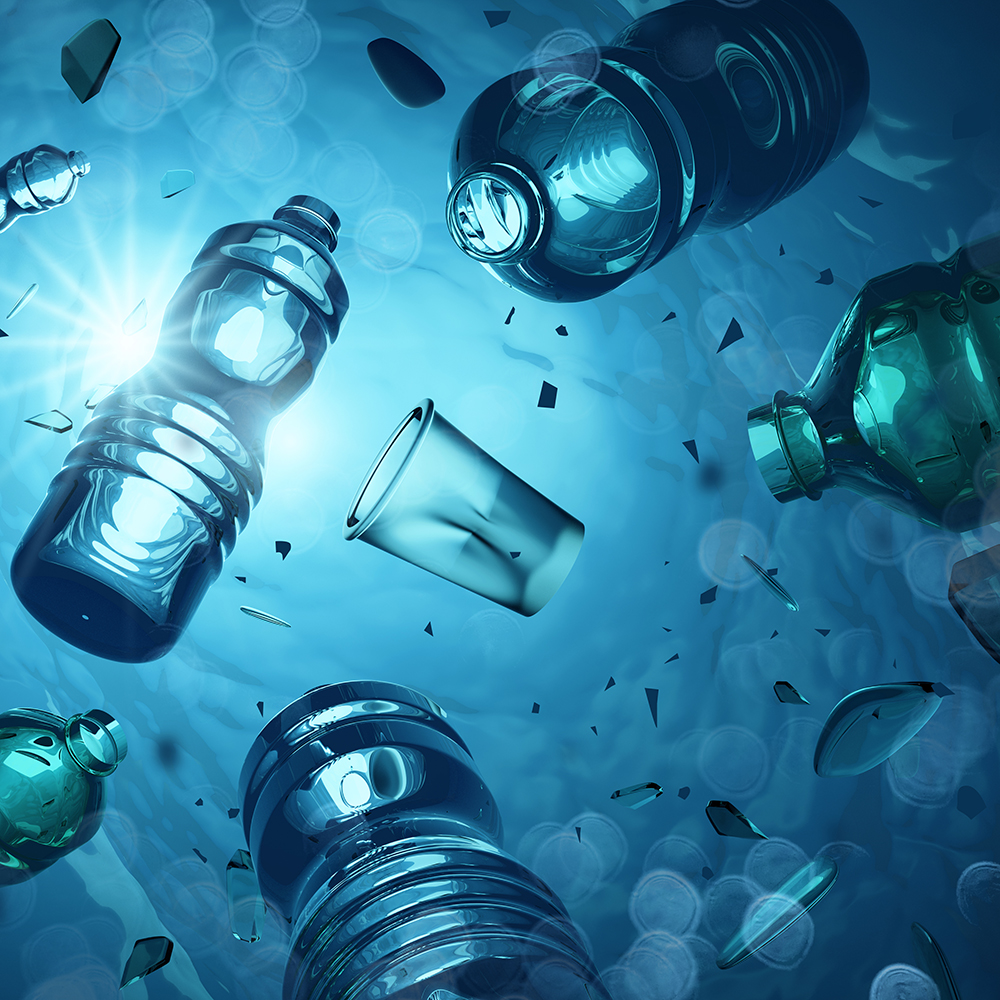
Non-recyclable Plastics
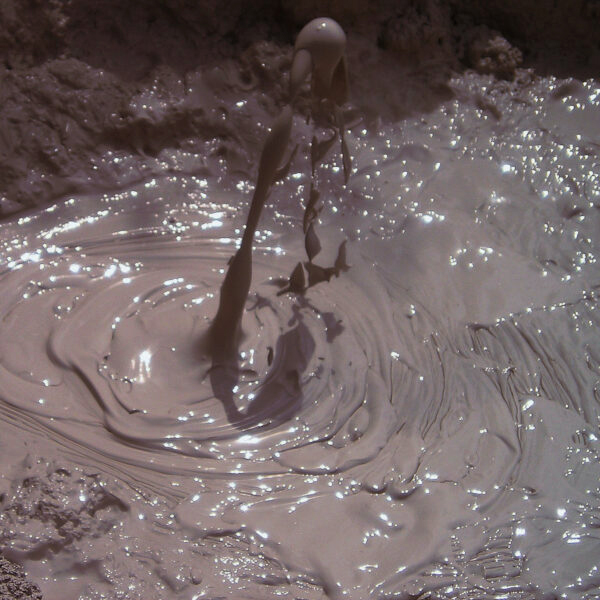
Sewage Sludge
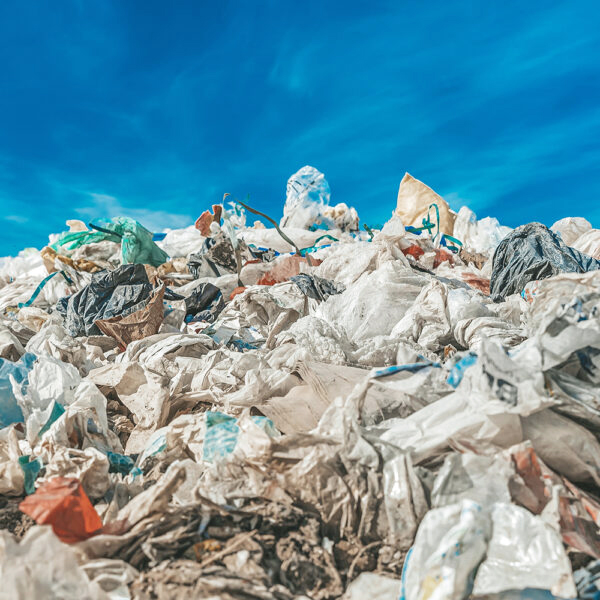
Municipal Waste

Wood
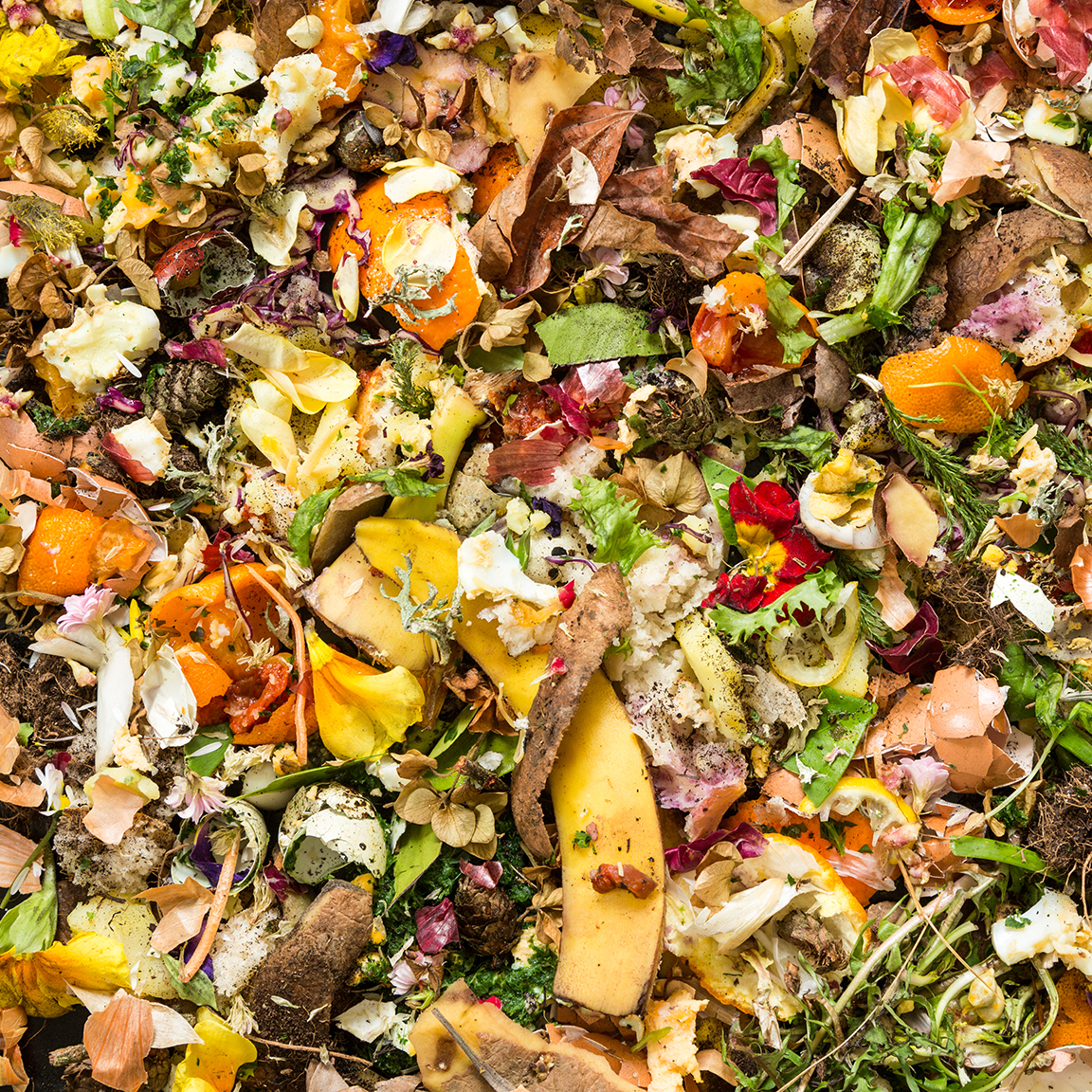
Biomass
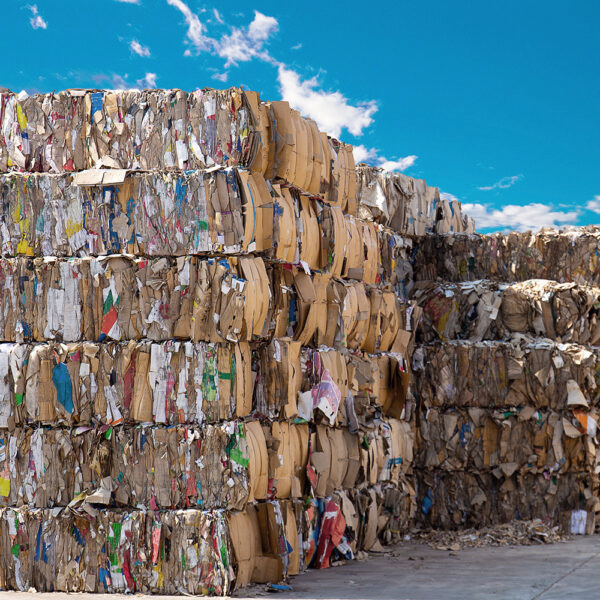
Paper & Cardboard
The SYNTHEC FUELS Solution
Processes for the Conversion of Waste and CO2 into sustainable Products
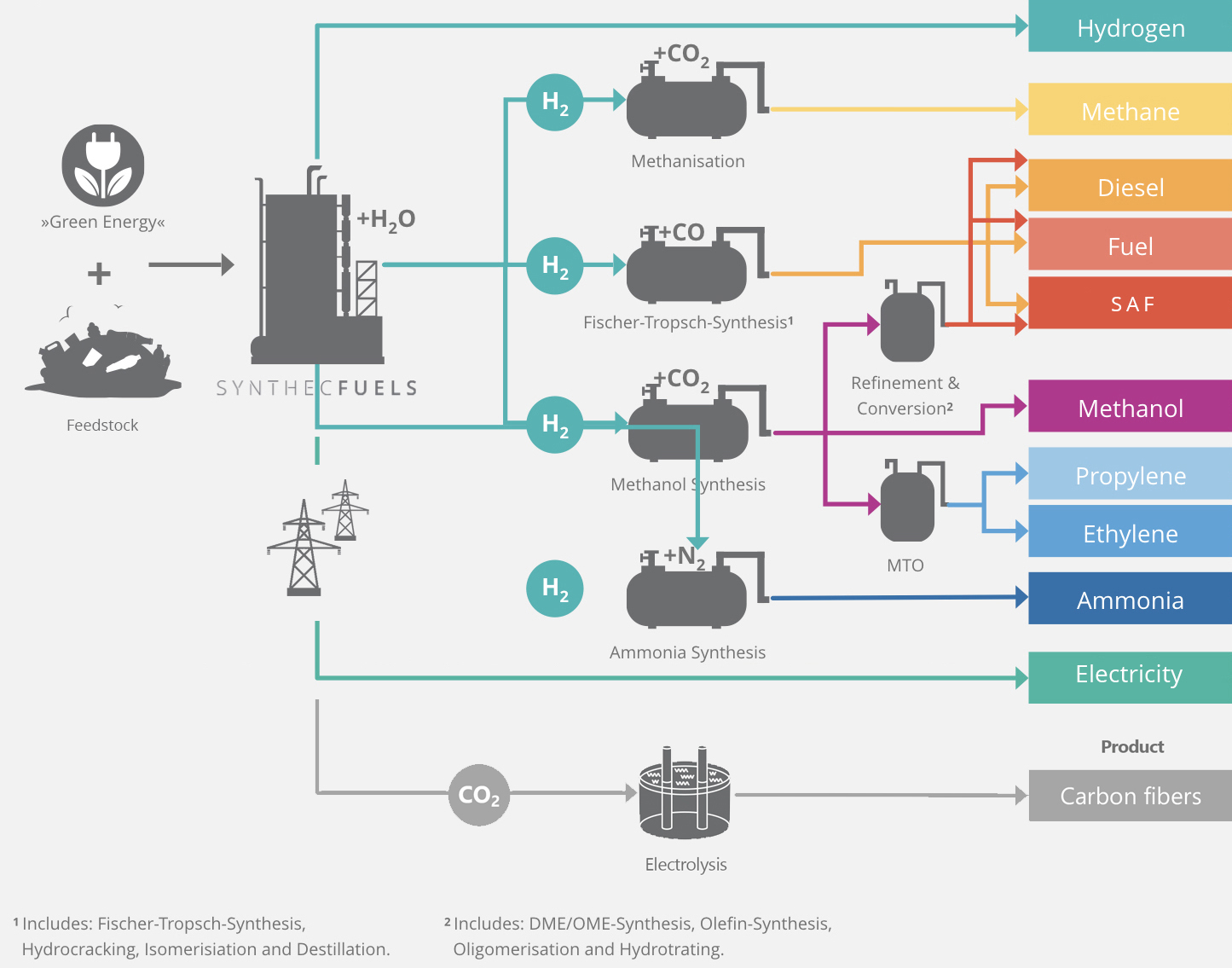
| HYDROGEN | METHANE | DIESEL | FUEL | KEROSENE |
|---|---|---|---|---|
|
Trucks & Heavy Traffic |
Trucks & Heavy Traffic | Trucks & Heavy Traffic | Cars | Air Traffic |
|
Communal Transport |
Communal Transport | Communal Transport | ||
|
Railway Traffic |
Process Heat Industry | |||
|
OIL Refineries |
Real Estate | |||
|
Steel Production |
||||
|
Process Heat Industry |
||||
|
Real Estate |
| METHANOL | PROPYLENE | ETHYLENE | AMMONIA | ELECTRICITY |
|---|---|---|---|---|
| Chemical Industry | Chemical Industry | Chemical Industry | Chemical Industry | Cars & Light Traffic |
| Cars & Light Traffic | Shipping Industry | Communal Transport | ||
| Shipping Industry | Railway Traffic | |||
| Steel Production | ||||
| Process Heat Industry | ||||
| Real Estate |
Synthec Fuels Hydrogen & Fuels – Reliably available
Synthec Fuels will produce sustainable, green Hydrogen with 7.500 – 8.000 Full-Load-Hours per Year
(Base Load Capability > 5.000 Full-Load-Hours)
The term Full-Load-Hour is a unit of measurement used to indicate the degree of utilization of a plant. Since plants do not usually run at full load all year round, but sometimes only operate at partial load or are shut down for maintenance. The maximum number of Full-Load-Hours per year is 8,760 hours (365 days with 24 hours each) and depending on the type of plant, weather conditions of the respective year and plant-specific restrictions.
Hydrogen Logistics
State-of-the-Art Hydrogen Storage Concepts have Significant Drawbacks
Compressed (CGH2)
160 – 750 bar
- Low storage density
- High capex and maintenance costs
- Large safety zones
or
Flammable Gas
Cryogenic (LH2)
–253 °C
- Very high energy consumption
- Very high capex and maintenance costs
- Not suitable for longer-term storage (e.g. boil – off)
- Large safety zones
Synthec Fuels’ Logistic Solution for Export
Liquid Organic Hydrogen Carrier (LOHC) enable a safe and efficient Transport of Hydrogen at ambient Conditions
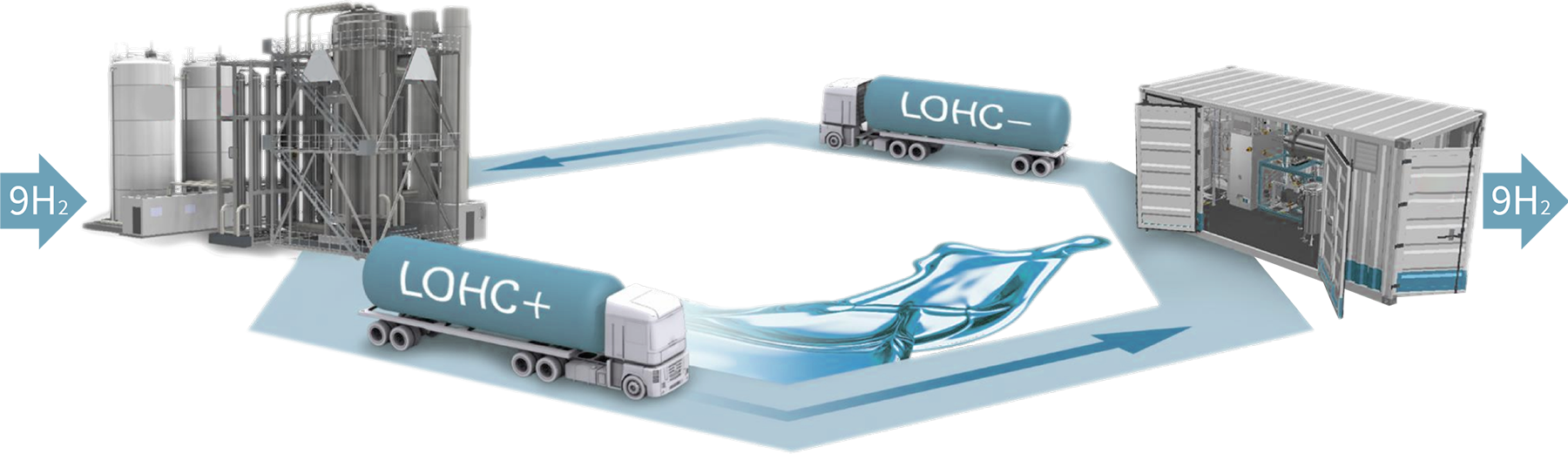
Hydrogenation
Exothermic – ca. 250 °C
25 – 50 bar
The LOHC technology
uses basic chemical processes to eliminate the
complexities of today’s hydrogen handling
Dehydrogenation
Endothermic – ca. 300 °C
1 – 3 bar
Low Cost and a highly flexible Supply Chain based on existing Fuel Infrastructure are Key to a full Commercial Roll-Out
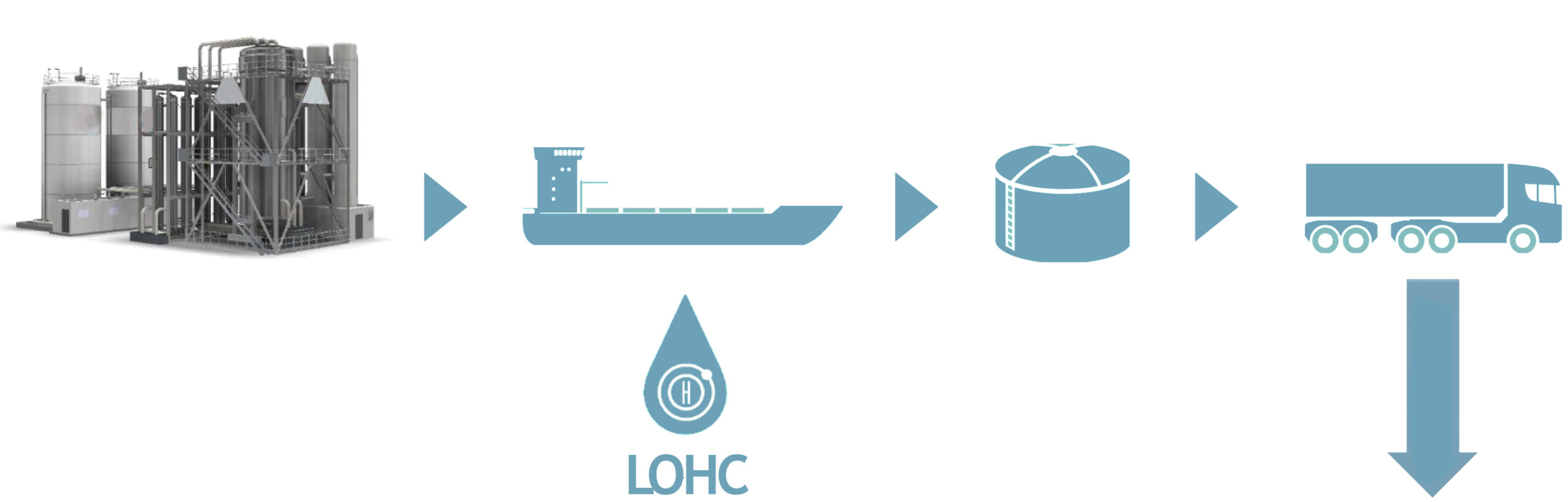
A single oil/LOHC tanker can fuel ~140 buses for over 2 years
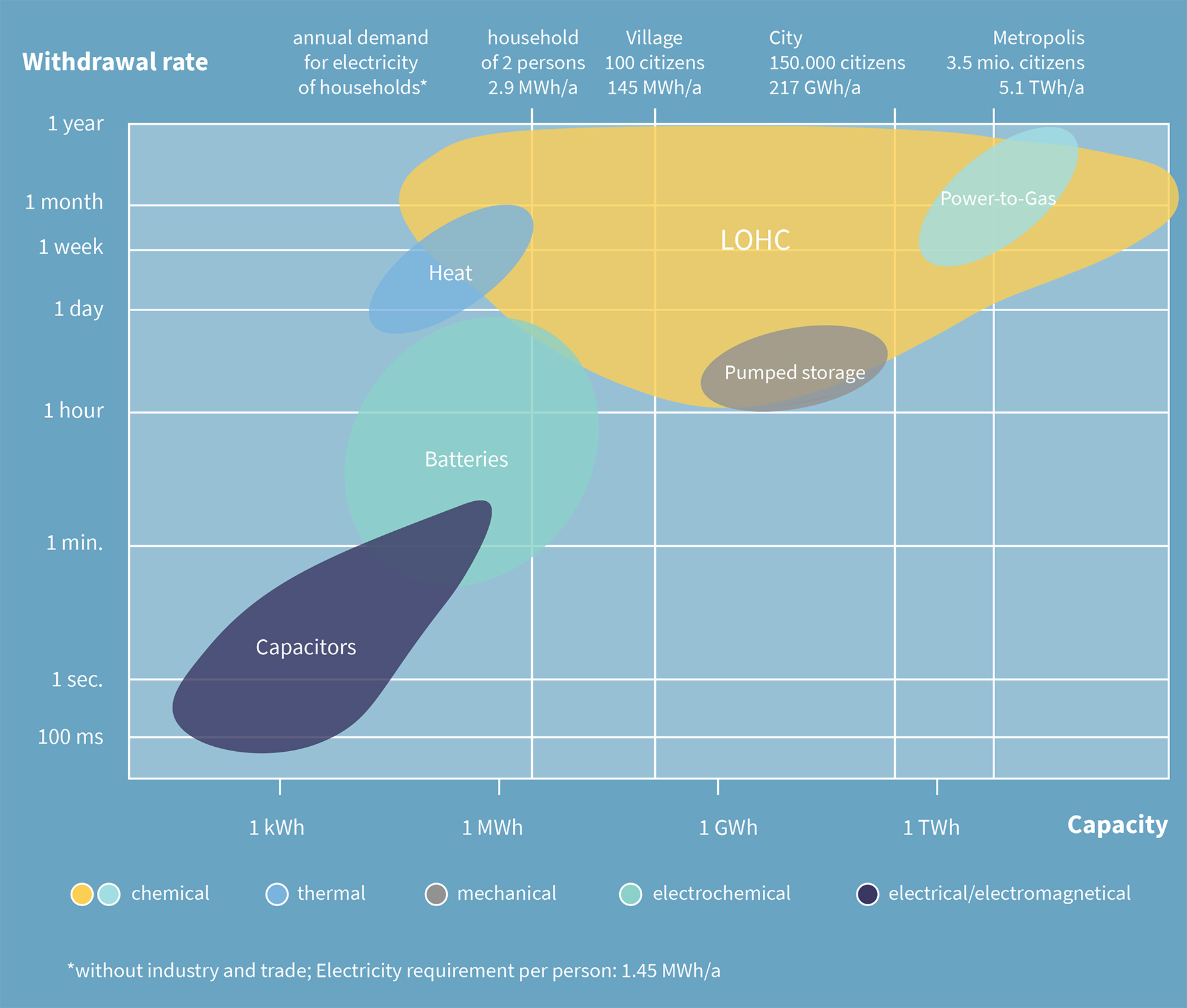
Liquid Organic Hydrogen Carrier (LOHC) in comparison